In traveling that short five-minute drive across this glitzy Florida city, it’s all too easy to underestimate the far-reaching consequences of the Trump administration’s shift of U.S. security policies to focus on the Western Hemisphere.
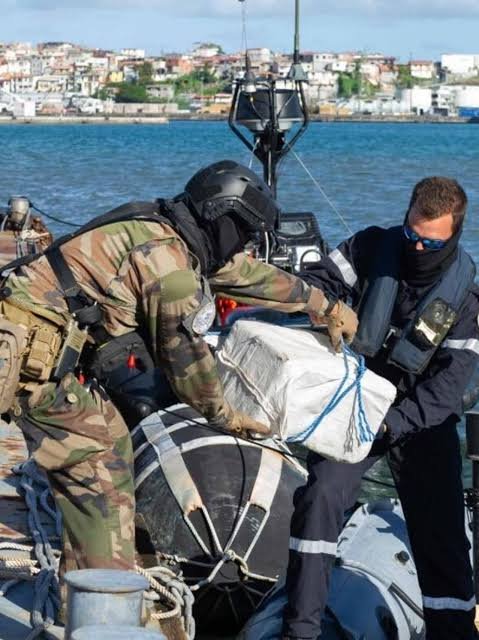
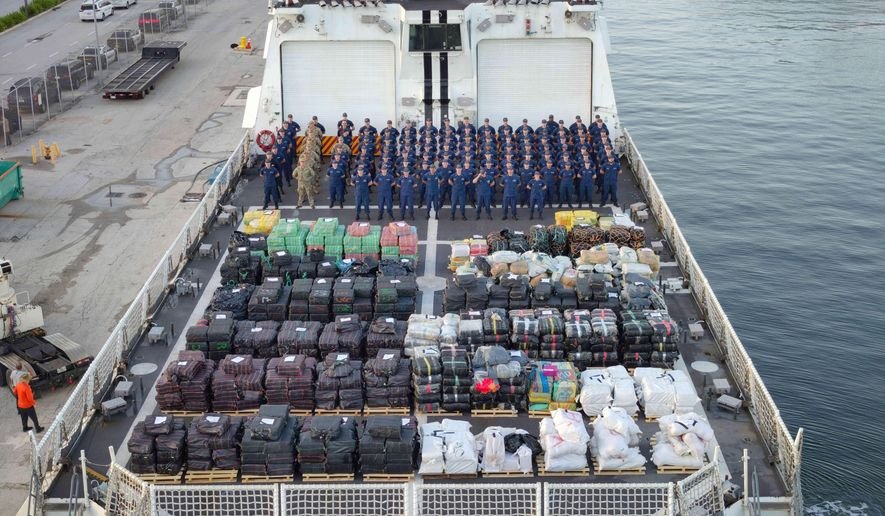
President Trump has framed international narcotics traffickers not as domestic criminals but as invading armies whose activities pose direct threats to the United States. They should be dealt with on the battlefield, not in a courtroom, the administration argues.
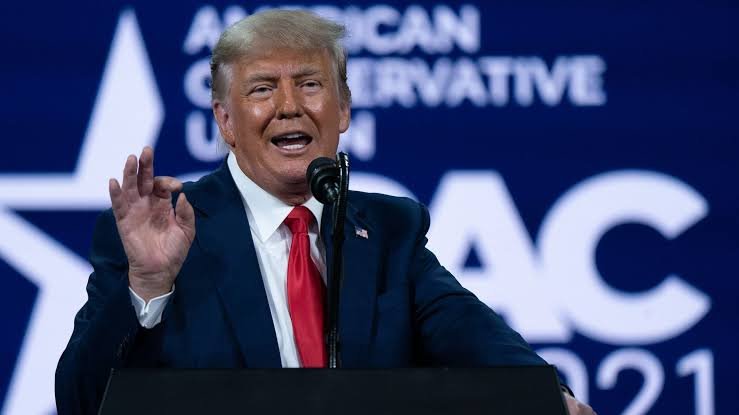
On Saturday, Mr. Trump hosted the Shield of the Americas summit to promote “freedom, security and prosperity” in the region. It was particularly significant because the event was the first major multilateral meeting the president had held with Latin American leaders since his return to the White House.
During the summit, he released a proclamation to address the “grave dangers” posed by the cartels using “any necessary resources,” including the armed forces.
The United States will train and mobilize partner nation militaries to achieve the most effective fighting force necessary to dismantle cartels and their ability to export violence and pursue influence through organized intimidation,” the president wrote.
The guest list included the leaders of a dozen countries who are thought to be aligned with his administration’s agenda.
Officials from Mexico, Colombia and Brazil, whose left-wing administrations have frequently clashed with the White House, were noticeably missing from the Doral summit and the earlier Americas Counter Cartel Conference at Southern Command.
Jean Daudelin, a Latin America specialist at Carleton University in Canada, said he was struck particularly by the absence of Mexico. America’s southern neighbor is the main source of fentanyl in the United States.
“Colombia is the top producer of cocaine, and exports have been exploding in recent years. Brazil has South America’s richest cartel: Sao Paulo’s [Primeiro Comando da Capital],” he said. “It is the biggest local market and, now that Venezuela is a bit out of the game, most likely the main transit route for cocaine to Europe.”
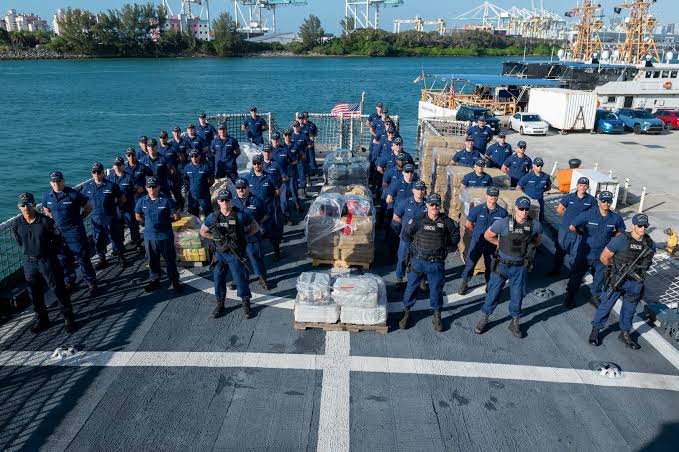
Two months before the summit, President Trump ordered Operation Absolute Resolve, a special operations mission that resulted in the capture of Venezuelan leader Nicolas Maduro and his wife in Caracas.
They were flown to the United States, where they now face drug conspiracy charges.
Mr. Trump called Mexican President Claudia Sheinbaum a “very good person” but was scathing toward her government’s approach to narcotics trafficking. He said “the cartels are running Mexico” and called the country “the epicenter” of drug-related bloodshed in the Western Hemisphere
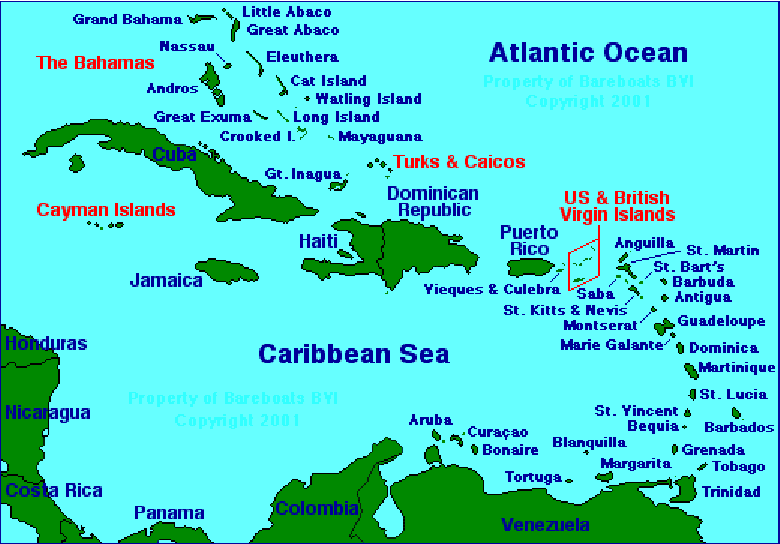
As we achieve a historic transformation in Venezuela, we’re also looking forward to the great change that will soon be coming to Cuba,” Mr. Trump said. “Cuba’s in its last moments of life as it was. It’ll have a great new life, but in its last moments of life, the way it is.”
If the Shield of the Americas summit set the political agenda of the Trump administration’s approach to safety and security in Latin America, then the Americas Counter Cartel Conference at Southern Command focused on how the mission would be carried out.
On Thursday, Secretary of Defense Pete Hegseth told regional military officials at the Southern Command conference that the U.S. was prepared to take on transnational drug gangs by itself, if necessary.